The Sandbar, The Seat, and The Seaplane: A Debrief from the Right Seat
Bill Lowery and I wrote the following article using Brave AI. Bill sent me his debrief and I asked Brave to rewrite it in my style. I have to admit, I’m kind of impressed.
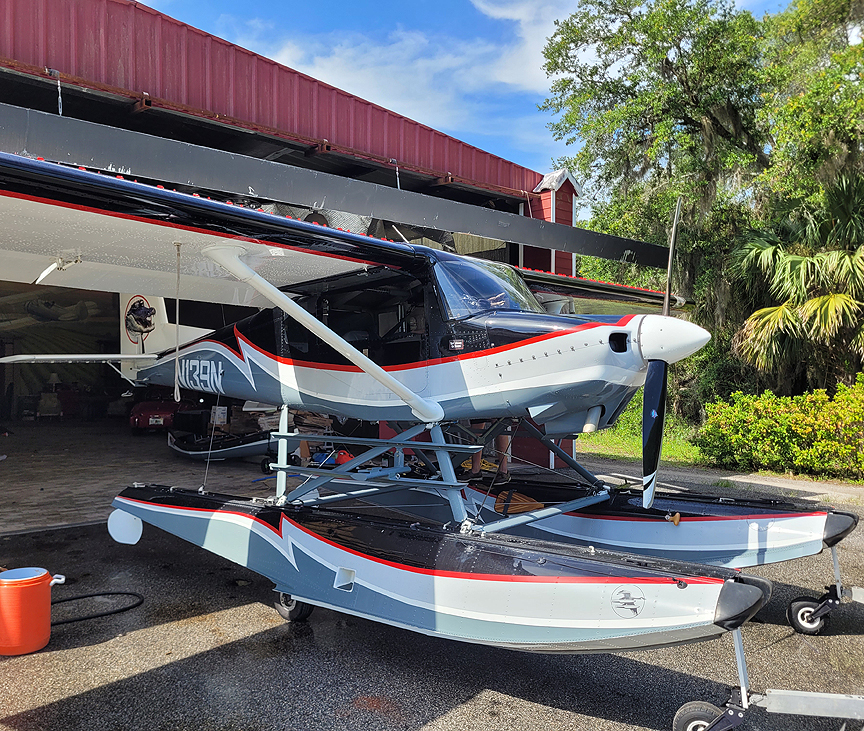
Bill and I took his seaplane, N139N, from his home airport, 01FL and the associated seaplane port 0FL1, on a trip up to a property I am invested in on the St. John’s River in Palatka. The outbound trip was rather uneventful but we had trouble getting airborne from the St. John’s on the return trip.
From Bill Lowery
As a devoted student of the master, I feel a professional and moral obligation to debrief. The return flight had me concerned, and while the takeoff was textbook — albeit flirting with max gross weight — the return was, shall we say, “educational.” Here is the technical breakdown of how a simple sandbar encounter turned into a lesson in parasitic drag and human factors.
The Drag Incident
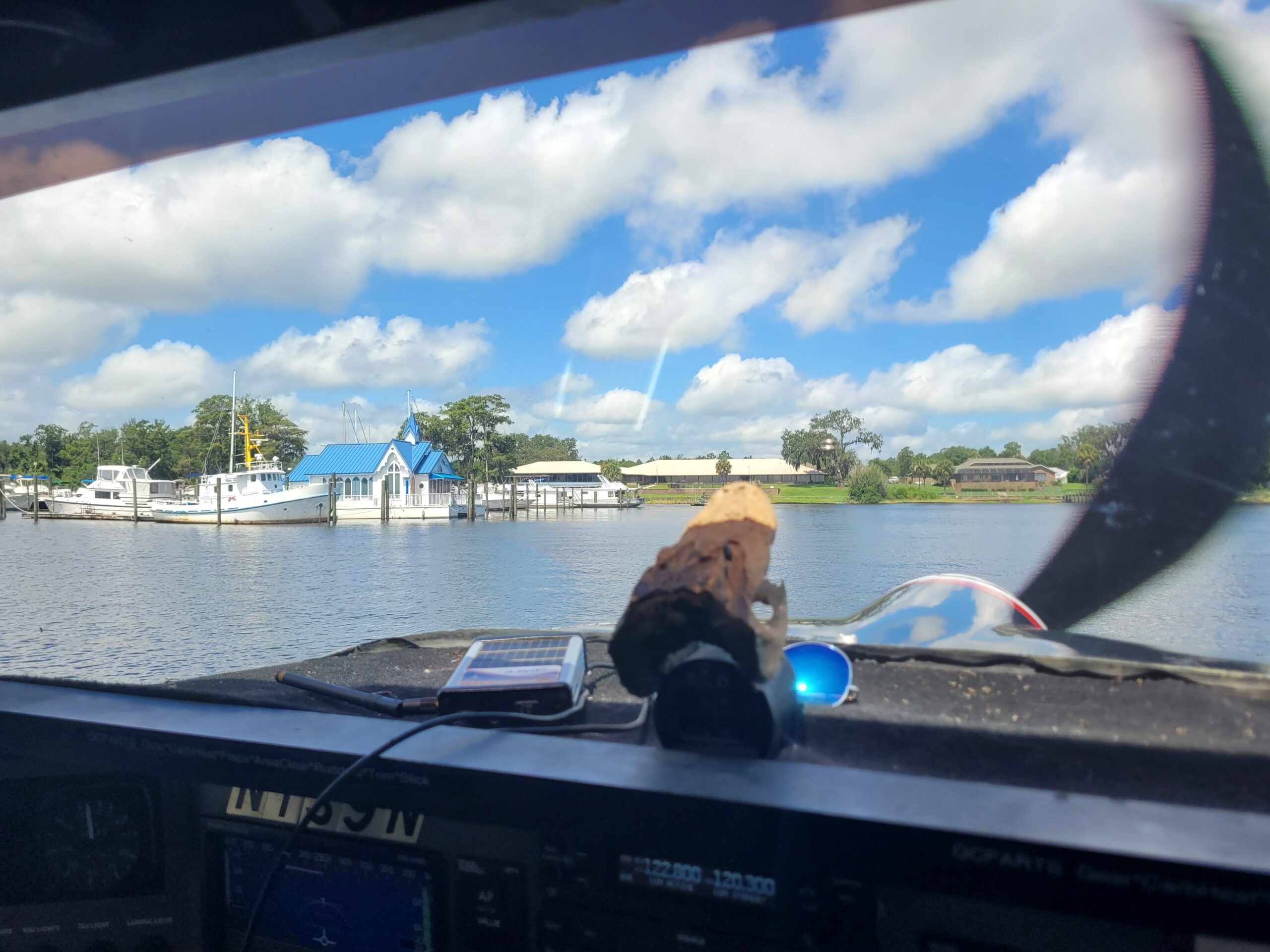
Upon landing and taxiing to the shore, we encountered a submerged sandbar. The impact was subtle but consequential. During the subsequent takeoff roll, I noticed the back pressure required to lift the water rudders was suspiciously light. Normally, this is a two-hand operation; today, I did it with one.
Seaplane water rudder operation and maintenance
The shock from the sandbar had apparently loosened the water rudder cable, likely exacerbated by underlying corrosion. The result? The rudders remained partially submerged during the takeoff run. This created significant parasitic drag, preventing us from reaching the critical rotation speed of 41 mph. After three aborted attempts, we closed the windows to reduce aerodynamic drag, finally achieving liftoff. However, the flight was characterized by abnormal yaw, directly attributable to the fluttering, unsecured water rudders. Upon beaching the aircraft later, inspection revealed the cable had completely separated at the Nico press fitting.
The Gear and The Charlie Horse
Issue number two unfolded as we approached the ramp at Alligator Drink (0FL1). The landing gear only partially extended, necessitating our beaching maneuver. The root cause was a classic case of unintended human-machine interaction.
Mid-flight, I developed a severe Charley horse. In an effort to stretch the cramp, I shifted my seat completely aft after relinquishing controls to the “pilot in command.” (That would be John, although in retrospect, he is not seaplane rated.)
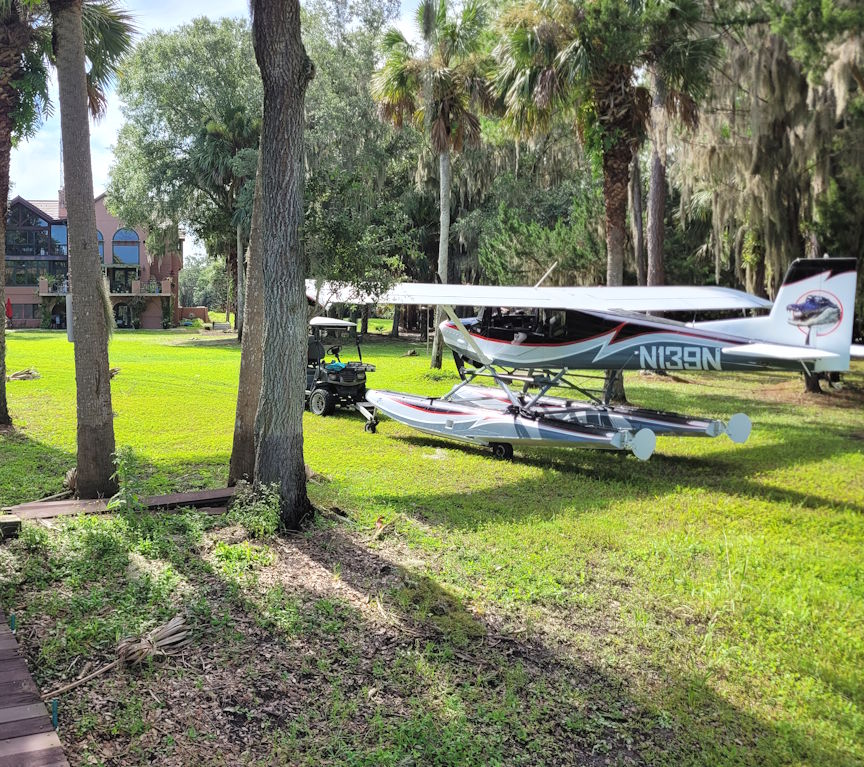
In doing so, I discovered post-flight that my seat adjustment had struck the gear valve handle. This impact moved the selector from “Auto” to “Manual” halfway, resulting in the partial gear extension. Once I identified the valve position and corrected it, the gear locked down, allowing me to tow the plane safely back to the hangar.
Conclusion
So, there you have it: a loosened cable from a sandbar strike and a leg cramp inducing a gear malfunction. Just another day in the life of a crusty old seaplane pilot, proving that sometimes the most complex failures have the simplest, most human origins.